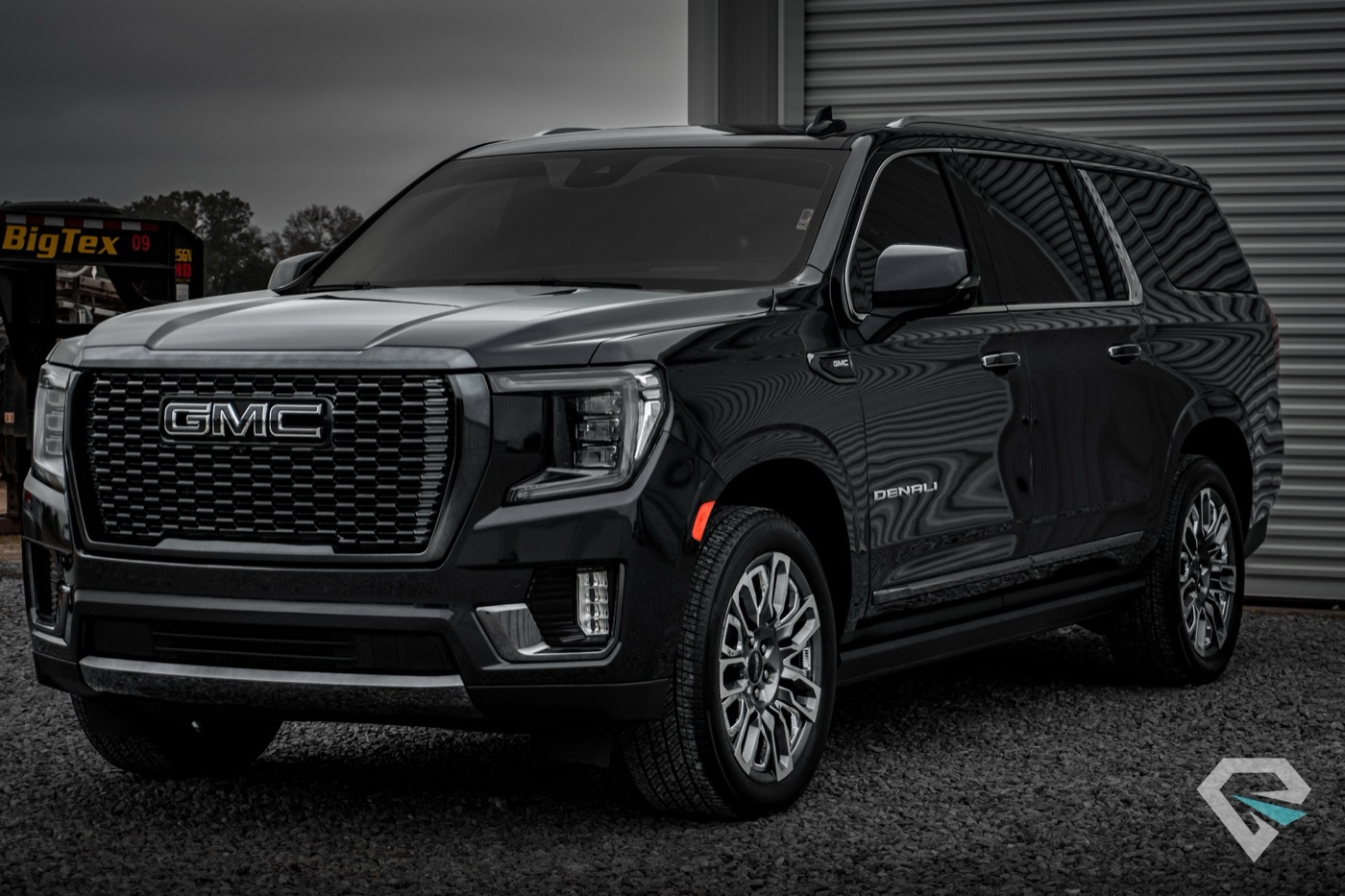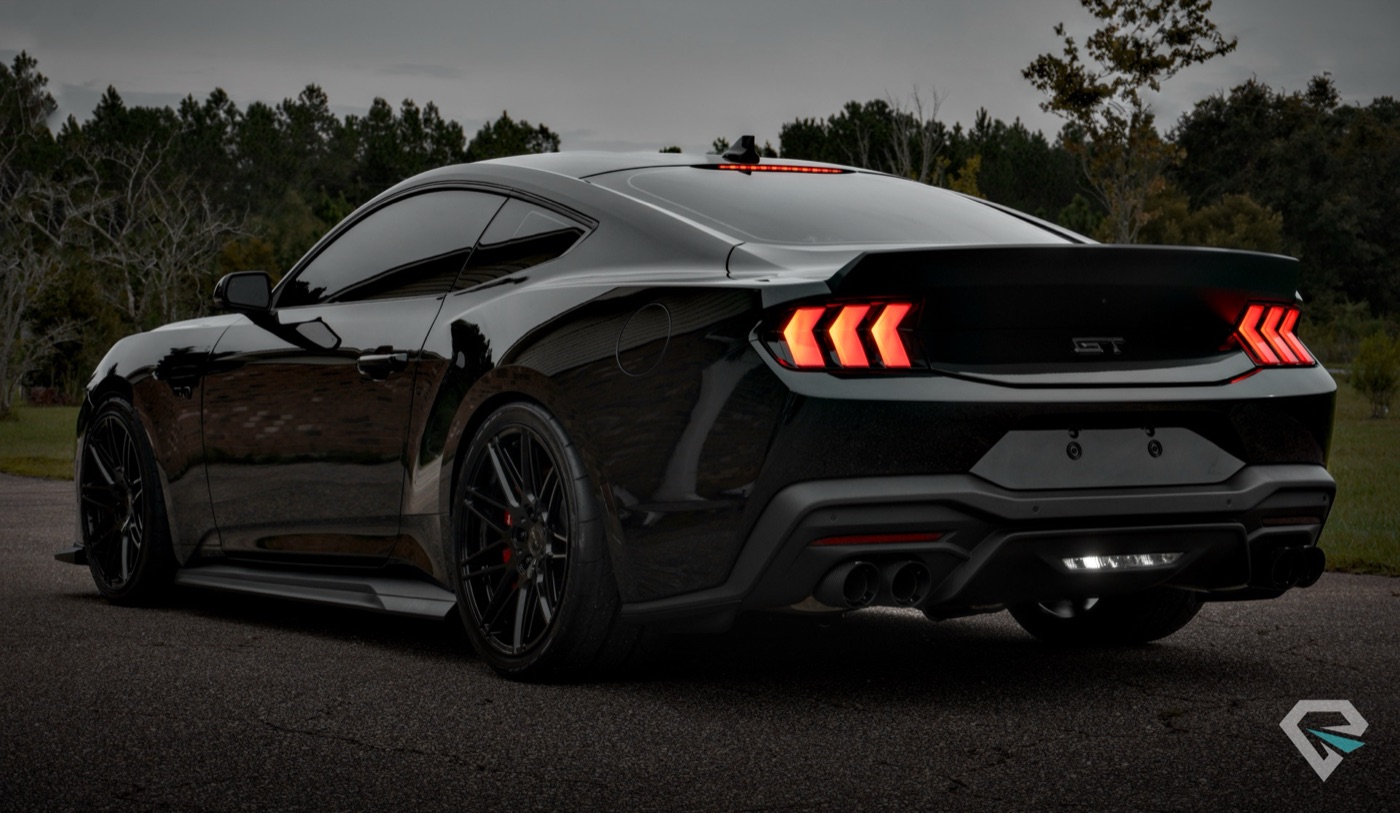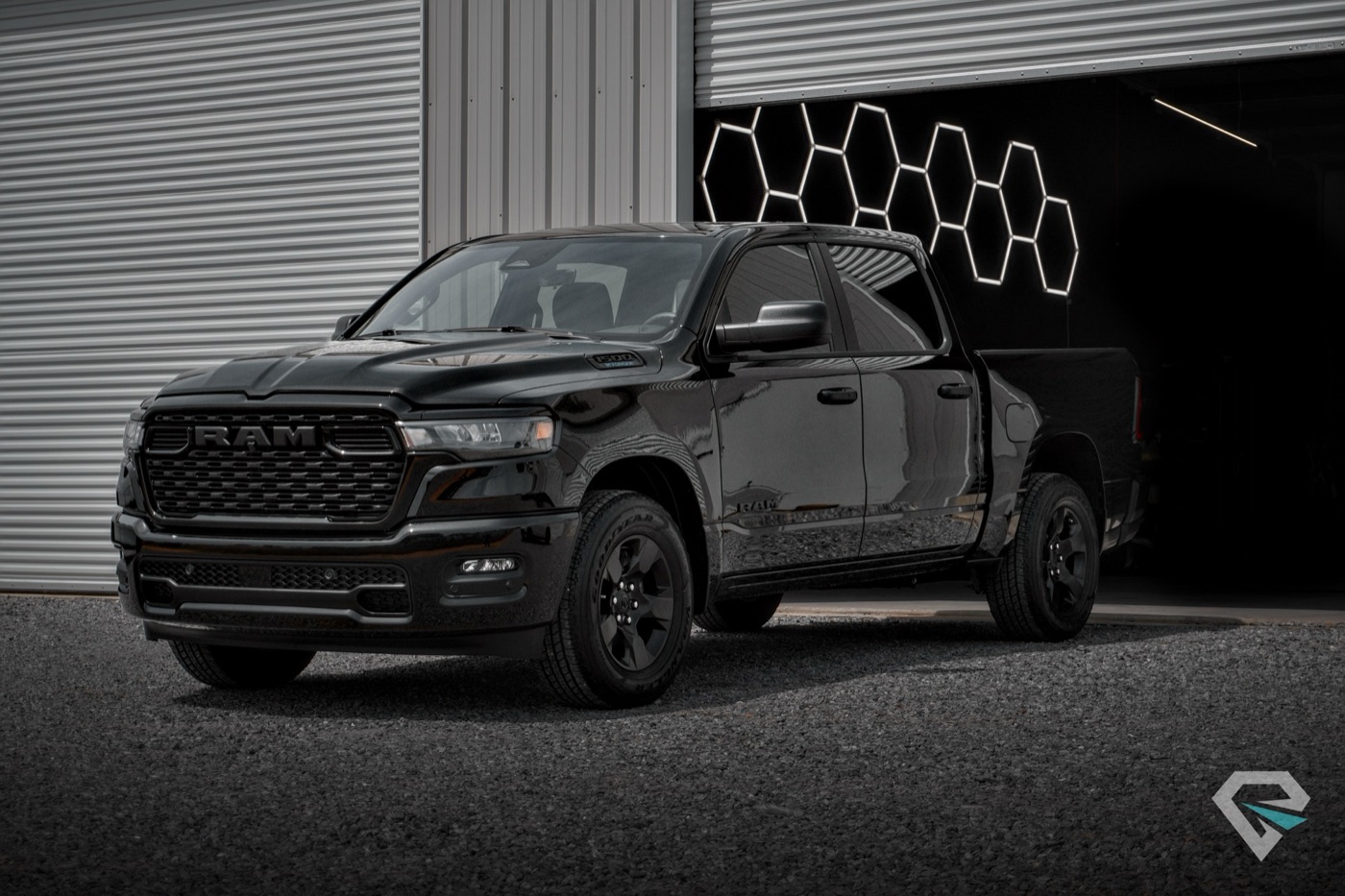
Seven years. That is the warranty, it is achievable, and there are coatings I did years ago still doing their job.
But the honest version has a second half. How long yours lasts is decided mostly by you, not by the product. There are two things that kill a ceramic coating: the sun, and how the vehicle gets washed. Everything else on this page is a detail underneath those two.
Two Trucks, Same Coating, Different Lives
Every vehicle lives a different life. Some are Sunday cruisers that spend their week in a garage. Some are work trucks on a job site six days a week.
Both can absolutely reach seven years. But they will require different levels of effort to get there, and there is no way around that. Anybody who tells you a coating is install it and forget it is selling you something.
What that effort looks like in practice is smaller than people expect. We recommend a minimum of two visits a year, so every six months. Plenty of owners choose to come every three months because they want the vehicle looking its best more often, and that is fine too. The large majority of coating maintenance is done at home by the owner. Normal washing, done correctly. You only need me for those occasional visits.
The Two Things That Actually Kill Coatings
Improper washing
This is number one, and it is not close.
Washing too often, or too aggressively, is abrasion. Every pass over the paint is friction. Automatic washes with spinning brushes are the worst version of this, but so are aggressive at home solutions like scrub brushes.
Harsh soaps are the other half. Dish soap is a degreaser. It is designed to strip, and it will work on your coating the same way it works on a greasy pan.
Then there is what gets left on the surface. Bird droppings sitting on hot paint for days are not a cosmetic problem, they are chemistry. Get them off.
I wrote more about the washing side of this in what a coating does and does not do for scratches, because the two questions are really the same question.
The sun
UV is relentless here and it does not take breaks. Horizontal panels take the worst of it. Your hood and your roof are getting hit at the harshest angle for the most hours, so they will always be ahead of the rest of the vehicle in wear. Below the belt line is a different story: that area stays dirtiest, but it sees far less sun.
The practical version is that a coating does not wear evenly, and it was never going to.
One that will not kill it, but will drive you crazy
Sprinklers.
This one does not end a coating, but if it is not dealt with in a reasonable amount of time it can permanently etch the coating, or the clear coat underneath it. That is a real repair, not a wash.
The fix is simple: after a bad rain, or after your vehicle has been hit by a sprinkler system, wash it. Do not let those minerals sit and bake. This shows up worst on black and dark colored vehicles. If you own a black truck, you already know exactly what I am describing.
What the Six Month Visit Actually Is
Most shops do not explain this, so here is the whole thing.
The vehicle is washed using only products formulated by the manufacturer of the coating itself. Not whatever is on the shelf.
Then the coating gets inspected. Any areas that have clogged up receive an acidic bath to break down what has built up in them. Wheels, tires, wheel arches, and glass all get cleaned as part of the same visit.
After it is dried, the entire vehicle gets a ceramic booster called Amplify on every surface. That does two jobs. It revives the slickness, and it puts a sacrificial layer on top of the coating so the next six months of abuse land on that instead of on the coating itself.
If any area of the vehicle is genuinely failing, we apply a new layer of coating to it right then.
That service runs in the ballpark of $150, depending on when you are reading this. It is a noticeable discount off our normal exterior detail, for a straightforward reason: a coated vehicle is easier for us to work on. The coating does part of our job for us, and I would rather pass that along than pretend the work is the same.
How to Tell If Your Coating Is Still Working
The easy answer is water beading. If it beads and sheets, the coating is doing its job.
But weak beading is not proof that your coating is dying, and this is where people panic for no reason. Road film, calcium deposits, and oily residue all build up on top of a coating and mask it. The coating is still under there, buried.
Nine times out of ten, a proper wash topped with Amplify brings it right back, or better than it was. In heavier cases, especially on areas that take a lot of abuse, it takes an acidic bath to break down the calcium film that has formed. That film builds up gradually and you never see it happening with your eyes.
The other thing owners notice first is slickness going away. That is normal and it is nothing to worry about in the slightest. Slickness is the first property to fade and the easiest one to restore.
One thing I want to be clear about, because the internet is full of horror stories: our coatings will never flake, peel, or chip. That is not how a properly prepped and applied coating fails. The wear is invisible to the human eye. If somebody shows you a photo of a coating peeling off a panel, you are looking at a product or a prep failure, not a normal end of life. Skipped prep is exactly the problem I run into with dealer installed coatings.
Baldwin County Is Harder Than Most Places
I am not going to pretend the Gulf Coast is an easy environment. Coatings here have a harder time than they do almost anywhere.
Salt air, incredible heat, and a UV index that stays high most of the year. That is what we are working against. A garage helps exponentially, and if you have one, use it.
But plenty of my customers keep coated vehicles outside full time and they hold up excellent. If anything that is a stronger argument for having a coating, not a weaker one. The vehicle sitting outside in Foley or Orange Beach is the one that needs the protection most.
Here is the way I would put it to a truck owner. You would not skip oil changes and still expect to see 100,000 miles. Same idea. The maintenance on a coating is genuinely affordable and infrequent, and if you do not skip it, the coating will last. That is not a sales line, it is just how the product works.
The Short Version
Seven years is real. It is not automatic.
Wash it correctly, do not let contamination sit, keep it out of tunnel washes, and come see me twice a year. Do that and you will get the full life out of it. Skip all of it and you will be disappointed in about two years, and it will not be the coating's fault.
If you want to see what the packages include and what the maintenance commitment actually is, it is all laid out here, including what the warranty requires. And if you already have a coating from somewhere else and want an honest read on what shape it is in, bring it by. Sometimes the answer is that it is fine and you should leave it alone.

Randy Matthews
Owner of Diamond Auto Care in Foley, Alabama. Applying ceramic coatings professionally since 2017, and personally installing every coating that leaves the shop. 4.9 stars across 98 Google reviews.